
The Rise of AI Image Content: How Creators Get Massive Reach in 2026
June 28, 2026 · By Soroor Raeesy
In 2026, AI-generated images are becoming a major driver of social media growth. Pages now use visual-first strategies to create highly engaging, scroll-stopping content at scale. This shift is changing how attention, virality, and algorithm reach work across platforms. This guide explores why AI visuals perform so well and how they are reshaping digital growth and branding.
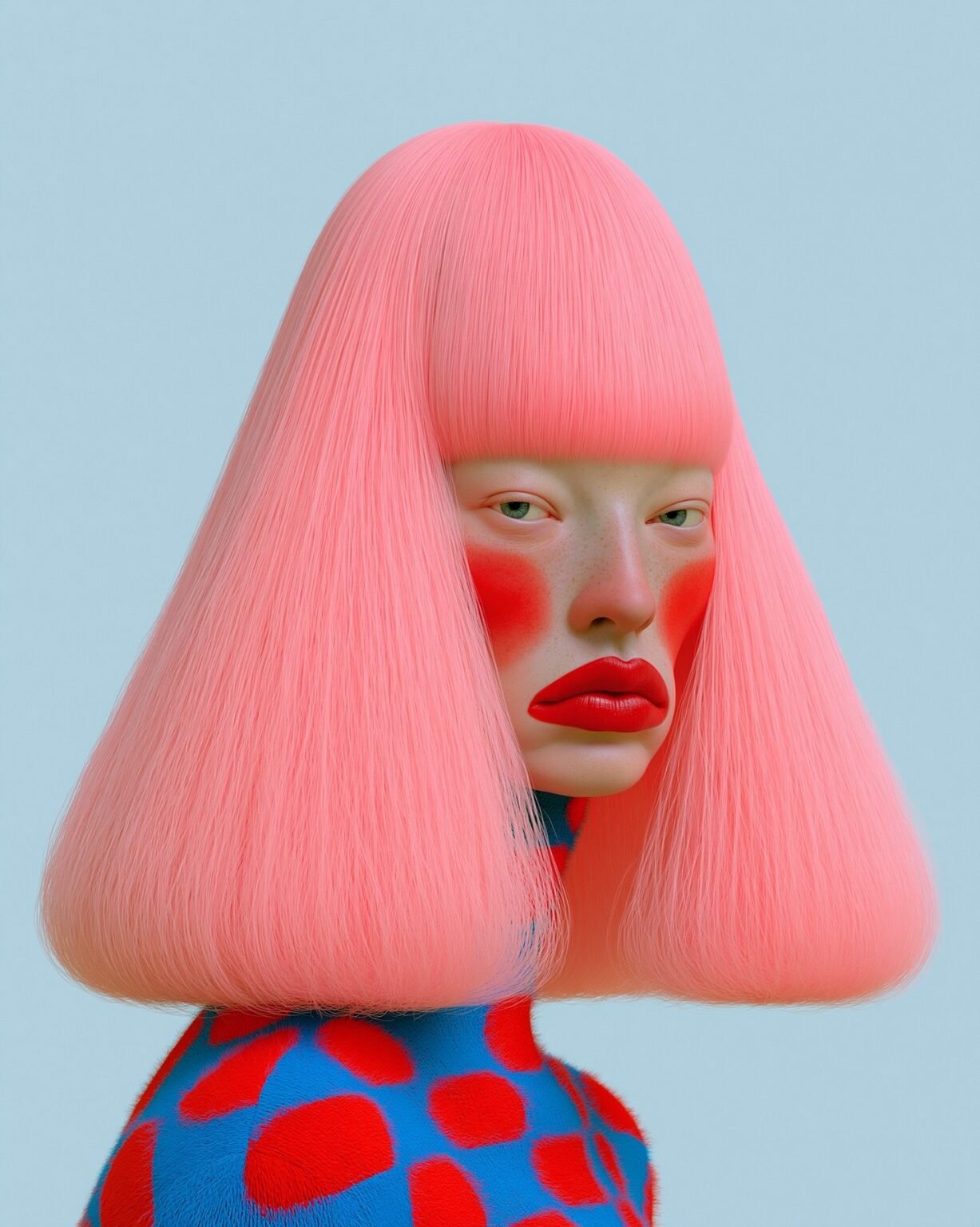
Image credit: AI Made Me Do This
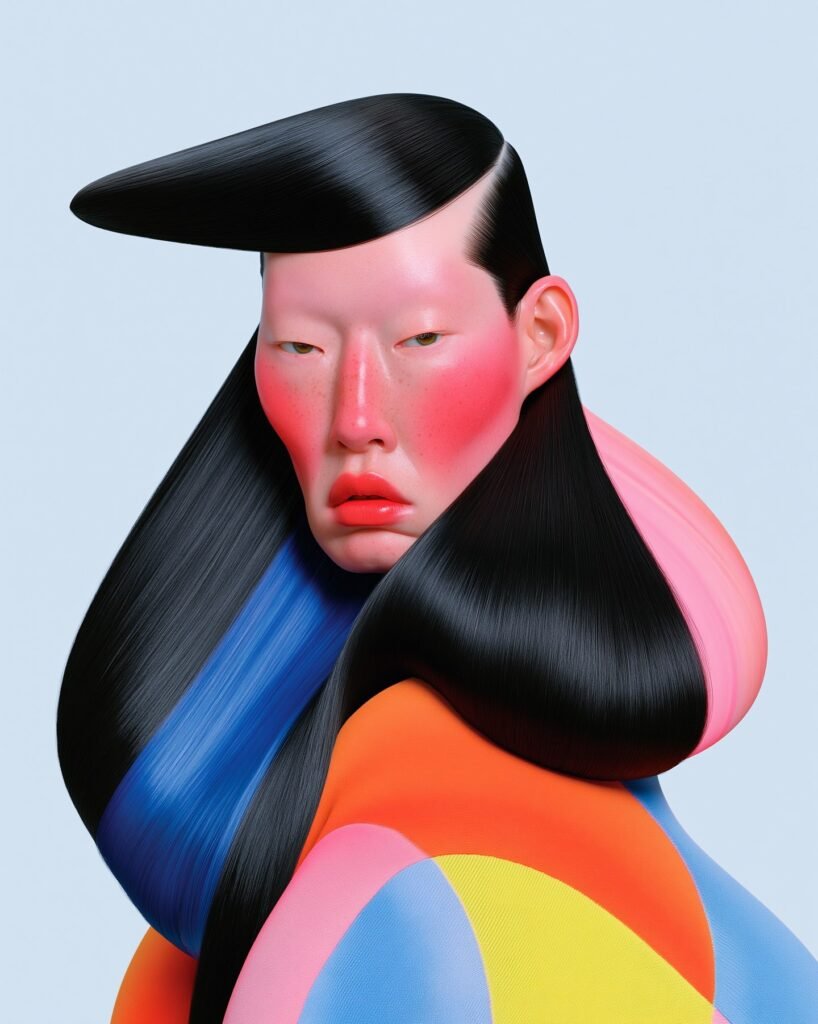
Image credit: AI Made Me Do This
The Rise of AI-Generated Visual Content as a Core Growth Engine in 2026
In 2026,
AI-generated imagery has shifted from an experimental creative tool to a foundational pillar of digital marketing and social media strategy. Brands, creators, and publishers are increasingly relying on generative visual systems to produce high-volume, high-quality content that aligns with platform algorithms and audience expectations. According to industry-wide digital adoption insights and
AI transformation reports, organizations are no longer treating AI as an experimental tool. auxiliary design assistant but as a central production layer for visual storytelling. This transition reflects a broader change in how attention is engineered online, where speed, scalability, and visual novelty now outweigh traditional production cycles.
At the same time, the democratization of AI image tools has significantly lowered the barrier to entry for content creation. Small pages and independent creators can now generate visuals that compete with professional design studios, enabling them to scale output without proportional increases in cost or time. This shift is redefining competitive dynamics across platforms such as Instagram, TikTok, and Pinterest, where algorithmic distribution heavily favors content that is visually engaging, emotionally stimulating, and frequently updated. As a result, AI-generated visuals have become not just a design trend but a structural advantage in digital growth strategies.
At the same time, the democratization of AI image tools has significantly lowered the barrier to entry for content creation. Small pages and independent creators can now generate visuals that compete with professional design studios, enabling them to scale output without proportional increases in cost or time. This shift is redefining competitive dynamics across platforms such as Instagram, TikTok, and Pinterest, where algorithmic distribution heavily favors content that is visually engaging, emotionally stimulating, and frequently updated. As a result, AI-generated visuals have become not just a design trend but a structural advantage in digital growth strategies.
Why AI-Generated Images Drive Higher Engagement and Algorithmic Reach
The performance of AI-generated images on social media is closely tied to
behavioral psychology and
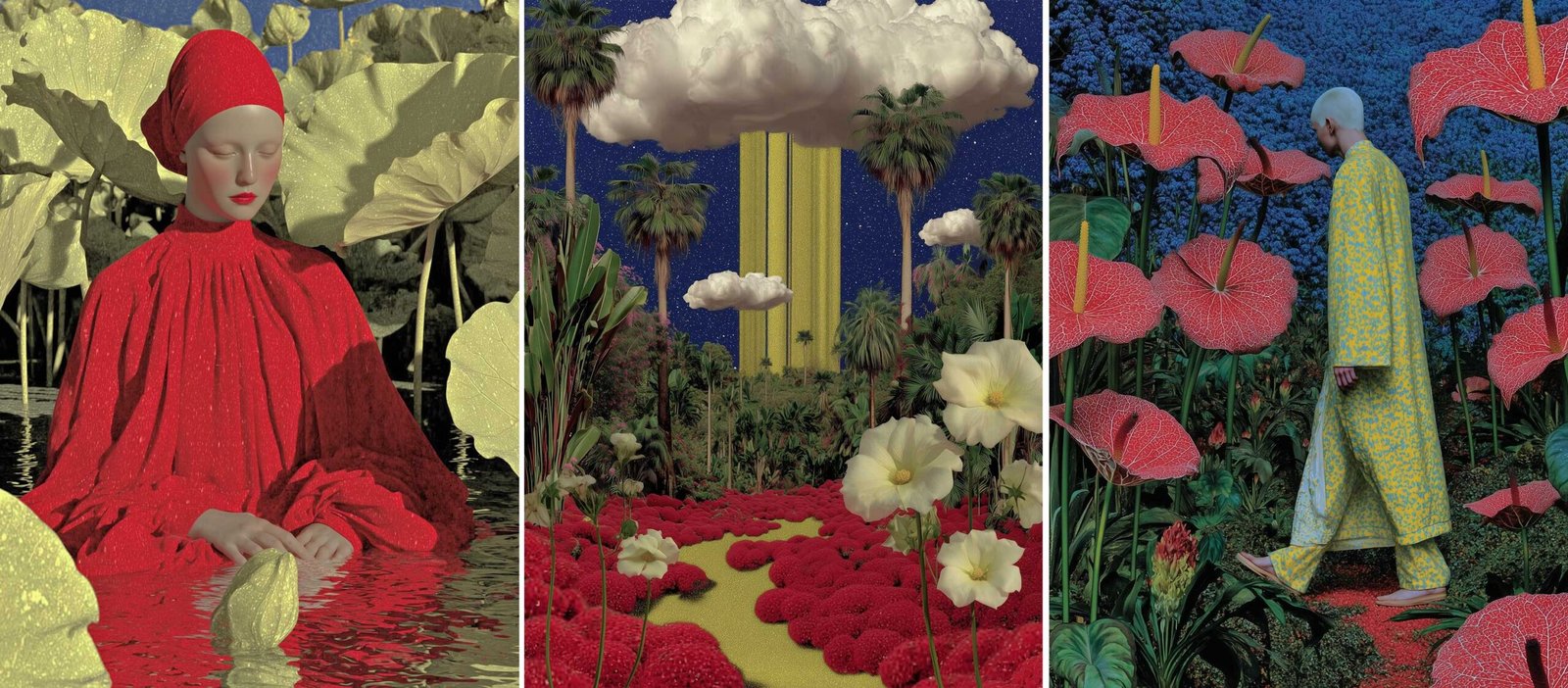
platform algorithm mechanics. Visually striking and novel content tends to increase dwell time, shares, and saves key engagement signals that directly influence algorithmic reach. In 2026, social media platforms have become increasingly optimized for retention-based ranking systems, meaning that content capable of holding attention within the first seconds of exposure is disproportionately rewarded. AI-generated imagery, with its ability to produce hyper-stylized, surreal, or highly polished visuals, naturally aligns with these engagement drivers.
Additionally, data from AI image generation and digital marketing analyses indicates that audiences are more likely to interact with content that feels unique, unexpected, or emotionally charged. AI tools enable creators to rapidly experiment with styles, compositions, and narratives that would be difficult or time-consuming to produce manually. This constant visual variation feeds into the algorithmic preference for fresh and diverse content, helping pages maintain visibility over longer periods. In this environment, AI visuals function not just as aesthetic assets but as performance-optimized content units engineered for reach and virality.
Additionally, data from AI image generation and digital marketing analyses indicates that audiences are more likely to interact with content that feels unique, unexpected, or emotionally charged. AI tools enable creators to rapidly experiment with styles, compositions, and narratives that would be difficult or time-consuming to produce manually. This constant visual variation feeds into the algorithmic preference for fresh and diverse content, helping pages maintain visibility over longer periods. In this environment, AI visuals function not just as aesthetic assets but as performance-optimized content units engineered for reach and virality.
The Evolution of AI Image Ecosystems and the Future of Visual Branding
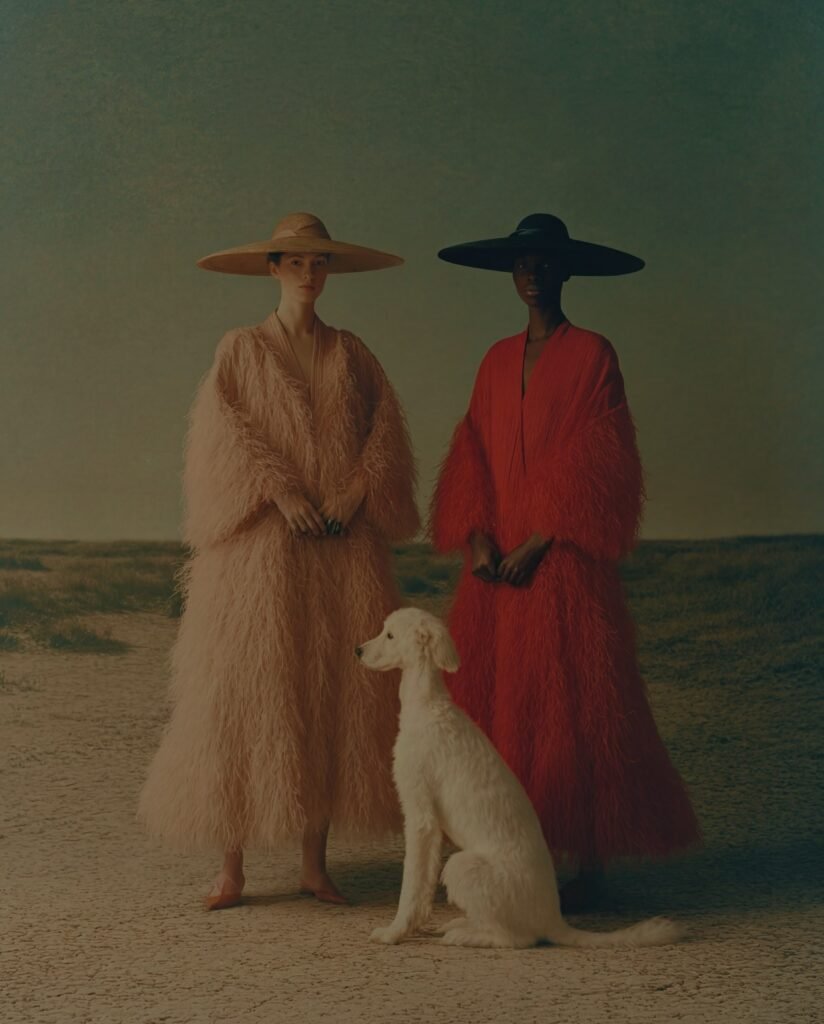
The AI image generation ecosystem in 2026 has matured into a highly competitive and specialized landscape, ranging from free consumer tools to advanced enterprise-grade platforms. Comparative analyses of leading AI image generators show rapid improvements in realism, prompt accuracy, style control, and brand consistency features. This evolution has enabled creators and businesses to move beyond single-image generation toward building entire visual identity systems powered by AI, where branding elements can be scaled dynamically across campaigns and platforms.
This transformation is giving rise to what can be described as AI-native branding, where visual identity is no longer static but continuously generated and adapted based on context, audience behavior, and platform trends. Instead of relying on fixed design systems, brands are now exploring adaptive visual ecosystems that evolve in real time. As highlighted in recent AI trend reports, this approach is fundamentally reshaping digital marketing, turning AI image generation into a strategic infrastructure layer rather than just a creative tool. In this new landscape, success belongs to those who can combine narrative thinking, aesthetic direction, and algorithmic understanding into a unified visual strategy.
This transformation is giving rise to what can be described as AI-native branding, where visual identity is no longer static but continuously generated and adapted based on context, audience behavior, and platform trends. Instead of relying on fixed design systems, brands are now exploring adaptive visual ecosystems that evolve in real time. As highlighted in recent AI trend reports, this approach is fundamentally reshaping digital marketing, turning AI image generation into a strategic infrastructure layer rather than just a creative tool. In this new landscape, success belongs to those who can combine narrative thinking, aesthetic direction, and algorithmic understanding into a unified visual strategy.
The Future of Social Media Growth in the Age of AI Visuals
AI-generated imagery has become a key driver of social media growth in 2026, transforming how content is created, distributed, and consumed. By enabling faster production and more engaging visuals, it gives creators and brands a powerful advantage in capturing attention and increasing reach.
As algorithms continue to prioritize visual engagement and retention, AI-powered content will play an even bigger role in digital branding. Success will depend on how well creators combine creativity with AI tools to build consistent and compelling visual identities.
As algorithms continue to prioritize visual engagement and retention, AI-powered content will play an even bigger role in digital branding. Success will depend on how well creators combine creativity with AI tools to build consistent and compelling visual identities.