
How Pucci Patterns Became the Blueprint of Modern Graphic Branding
June 29, 2026 · By Soroor Raeesy
Emilio Pucci’s iconic patterns transformed fashion prints into a powerful form of visual identity, influencing generations of designers beyond the fashion industry. Through bold color palettes, fluid geometry, and repeatable graphic systems, Pucci demonstrated how patterns could function as a recognizable brand language. This article explores how his distinctive aesthetic became a blueprint for modern graphic branding, inspiring contemporary approaches to visual identity, digital design, and brand storytelling.
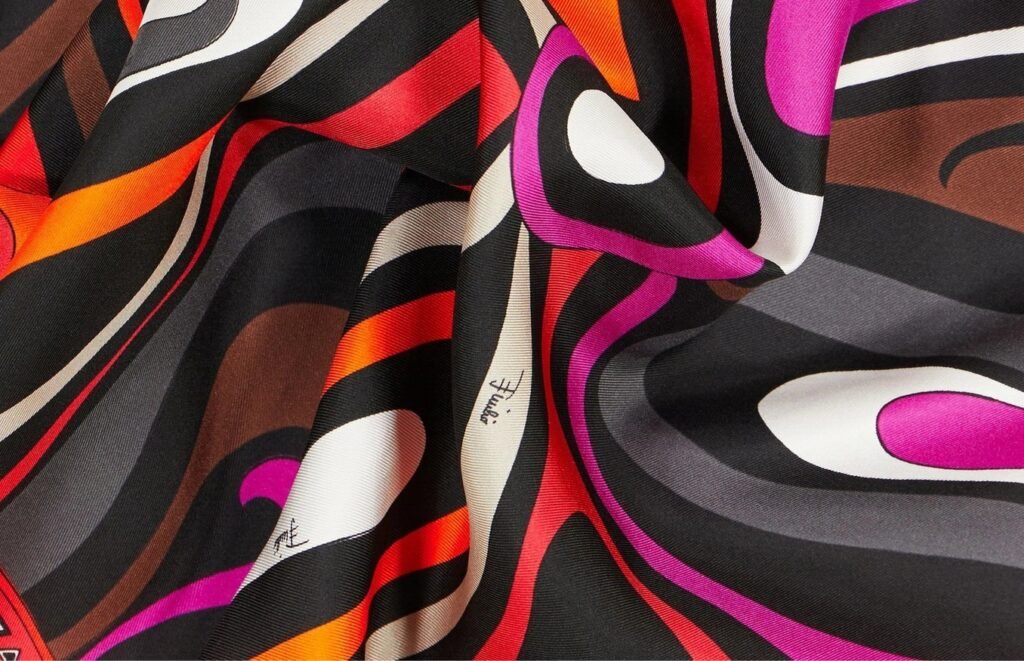
Emilio Pucci’s signature patterns are more than iconic fashion prints they represent one of the earliest and most influential examples of pattern-based visual identity. Long before digital branding systems and social media aesthetics existed, Pucci established a language where color, rhythm, and repetition could function as a recognizable brand signature. His designs turned fabric into a moving canvas of geometry and fluidity, proving that pattern alone could carry identity with the same strength as a logo.
What makes Pucci’s work foundational to modern graphic branding is the way it merges structure with emotion. The swirling, kaleidoscopic compositions are built on controlled geometric logic, yet they feel dynamic and expressive. This balance between order and visual energy has become a core principle in contemporary branding systems, where designers use modular patterns, gradients, and repetitive visual motifs to create scalable identities across packaging, digital platforms, and motion design.

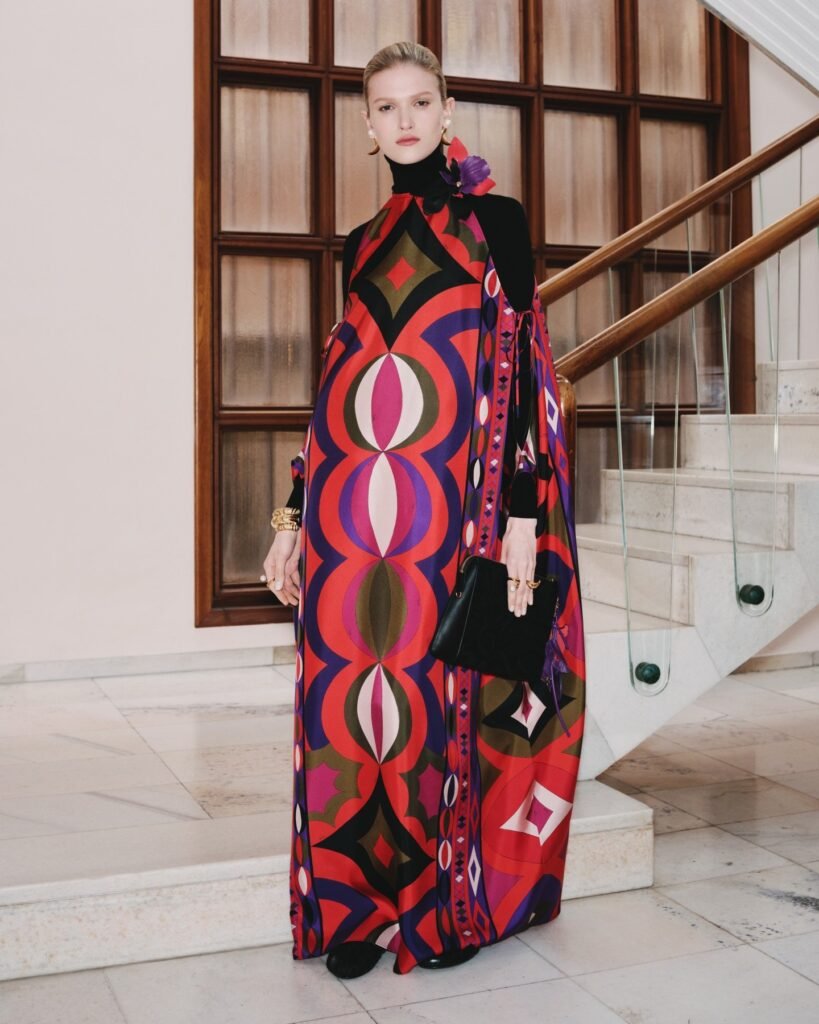
In today’s visual culture especially across social media and digital campaigns Pucci’s influence is unmistakable. Brands increasingly rely on repeatable visual systems rather than static logos, using patterns as immersive environments that can adapt across formats. From editorial layouts to motion graphics and immersive digital experiences, the idea that a brand can “live” inside a pattern rather than just a symbol directly traces back to Pucci’s pioneering approach.
Ultimately, Pucci’s legacy lies in redefining branding as something experiential rather than purely representational. His patterns laid the groundwork for modern graphic identity systems, where aesthetics, repetition, and visual rhythm are not decorative elements but strategic tools for recognition, storytelling, and cultural impact.