
What Does an Art Director Do?
(And How Graphic Designers Get There)
July 19, 2026 · By Soroor Raeesy
(And How Graphic Designers Get There)
The role of the Art Director has evolved from visual supervision to creative leadership, combining design expertise, strategic thinking, storytelling, and innovation. Successful Art Directors shape brand identities, guide creative teams, and transform ideas into meaningful visual experiences. This article explores the journey from Graphic Designer to Art Director, the essential skills required to succeed, and how creative leadership continues to shape the future of design.
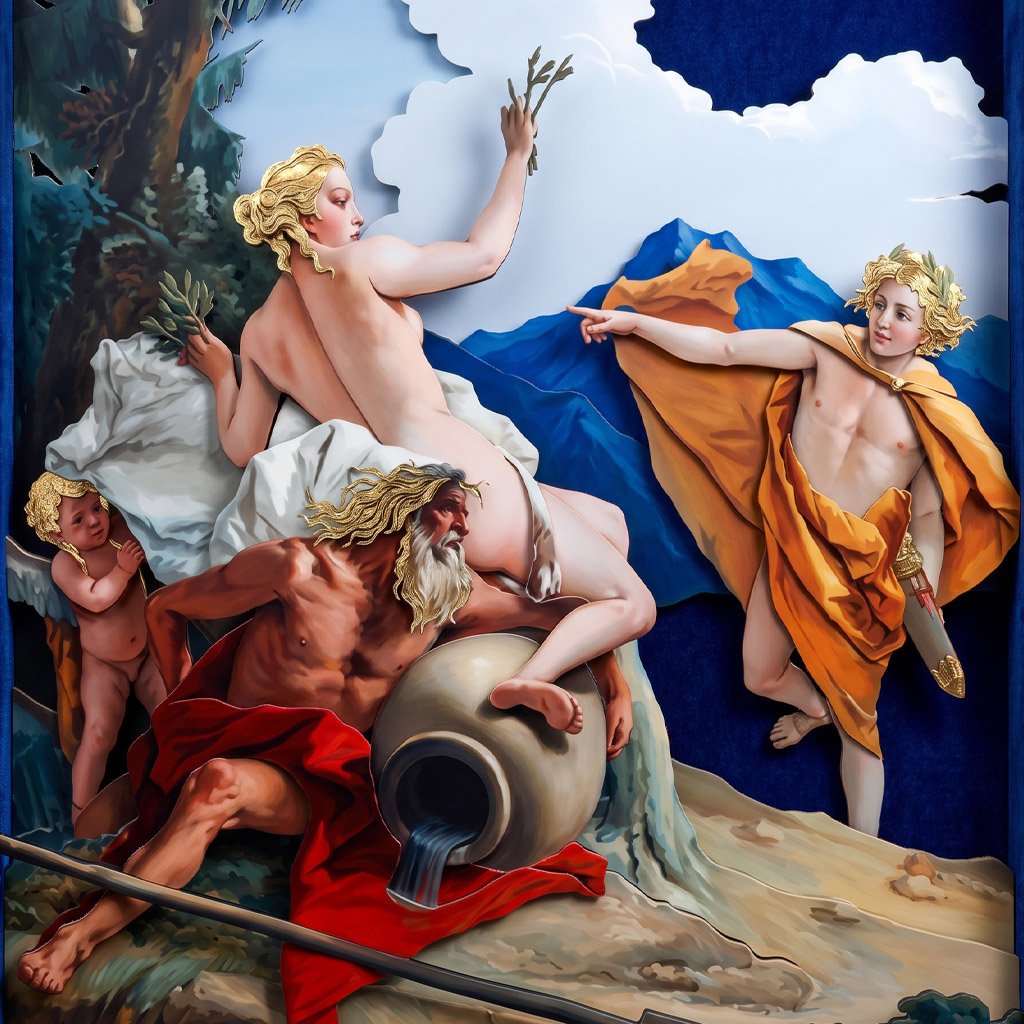
From Graphic Designer to Art Director: The Shift from Execution to Vision
Many graphic designers begin their careers by mastering the fundamentals of visual communication typography, composition, color, layout, and branding. But becoming an Art Director requires a broader perspective. The role is no longer only about creating individual designs; it is about defining the creative direction behind an entire project.
A Graphic Designer focuses on solving visual problems and creating effective designs, while an Art Director focuses on the bigger picture: What should this brand feel like? What story should the visuals communicate? How can every element work together as a consistent experience?
In 2026, the difference between a designer and an art director is increasingly defined by creative thinking, leadership, and the ability to guide ideas from concept to execution. With AI tools accelerating the production process, visual execution is becoming more accessible, but creative judgment, storytelling, and the ability to build a strong visual vision remain the core skills of an Art Director.
To see how this transformation happens in real careers, I will look at the journeys of three renowned designers who moved beyond graphic design to become influential Art Directors and creative leaders.
Paula Scher: Redefining the Role of the Graphic Designer
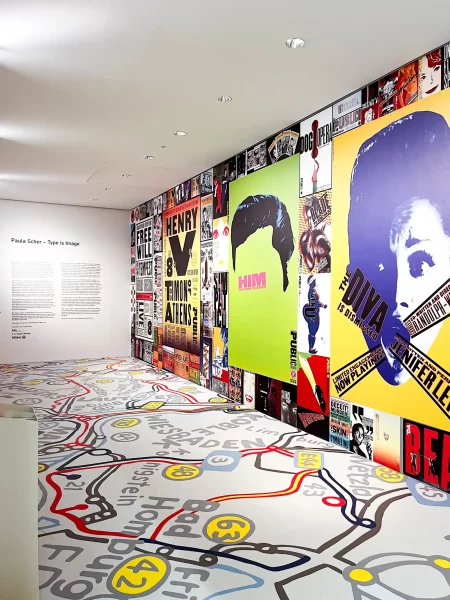
Paula Scher’s career is a powerful example of how a graphic designer can evolve into an influential Art Director and creative leader. She began her career in the 1970s as an art director at CBS Records, where she developed a distinctive approach to typography, combining bold visual ideas with strong conceptual thinking. Her work in the music industry, including hundreds of album covers, showed her ability to transform information and emotion into memorable visual experiences.
After establishing herself as a graphic designer with a unique visual language, Scher expanded her practice toward larger creative challenges, focusing on branding, identity systems, and environmental graphics. Her approach was not limited to designing individual pieces; she created complete visual worlds that shaped how audiences experience organizations and brands.
Since becoming a partner at Pentagram in 1991, Scher has led major identity projects for cultural institutions, companies, and public spaces, demonstrating the broader role of an Art Director: connecting design, strategy, storytelling, and collaboration. Her journey shows that the path from Graphic Designer to Art Director is built not only on technical skills, but also on the ability to develop a vision and guide creative decisions across an entire project.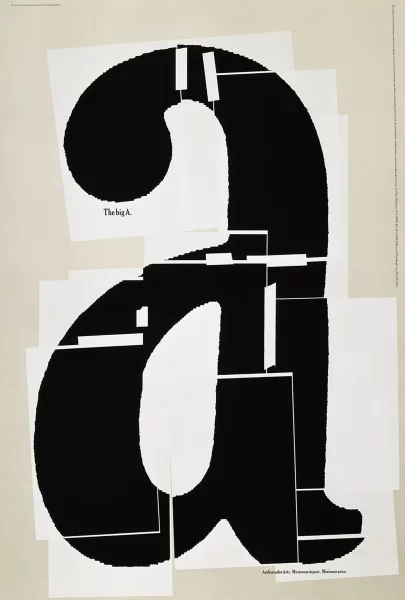
Michael Bierut: Expanding Graphic Design into Creative Leadership
Michael Bierut’s career demonstrates how a graphic designer can grow into a broader role as a creative leader. After graduating in Graphic Design from the University of Cincinnati in 1980, Bierut began his professional journey at Vignelli Associates, working alongside legendary designers Lella and Massimo Vignelli. Over ten years, he developed a strong foundation in visual systems, typography, and design thinking, eventually becoming Vice President of Graphic Design.
In 1990, Bierut joined Pentagram’s New York office as a partner, where he expanded his practice from creating individual graphic pieces to developing complete brand identities and visual strategies for organizations around the world. His work for clients such as Mastercard, Verizon, Disney, MIT Media Lab, Saks fifth Avenue, and cultural institutions shows how design can function as a strategic tool for communication and storytelling.
Bierut’s journey highlights the evolution from designer to creative leader: a transition where technical skills are combined with research, strategy, collaboration, and the ability to guide a larger creative vision. His career proves that the role of a modern Art Director is not only about making visuals, but about understanding how design shapes perception, culture, and experiences.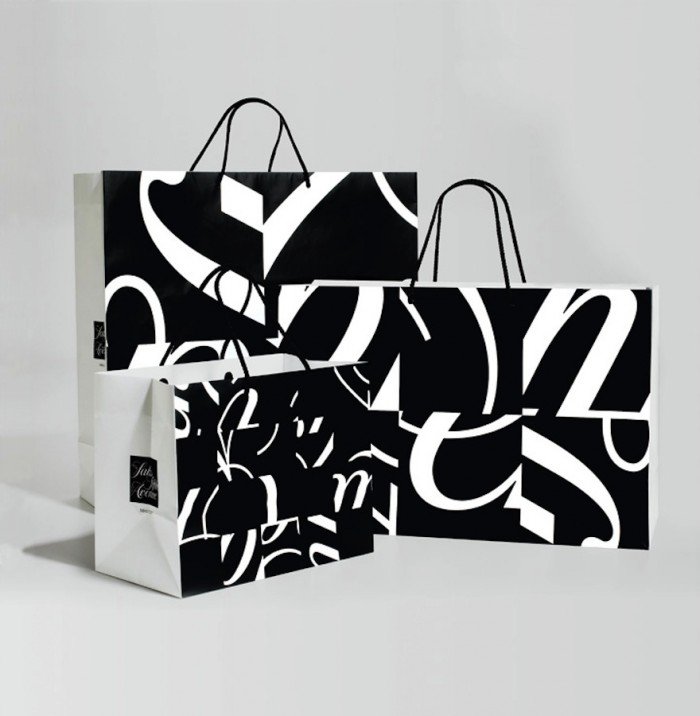
Elizabeth Goodspeed: The New Generation of Graphic Designers as Art Directors
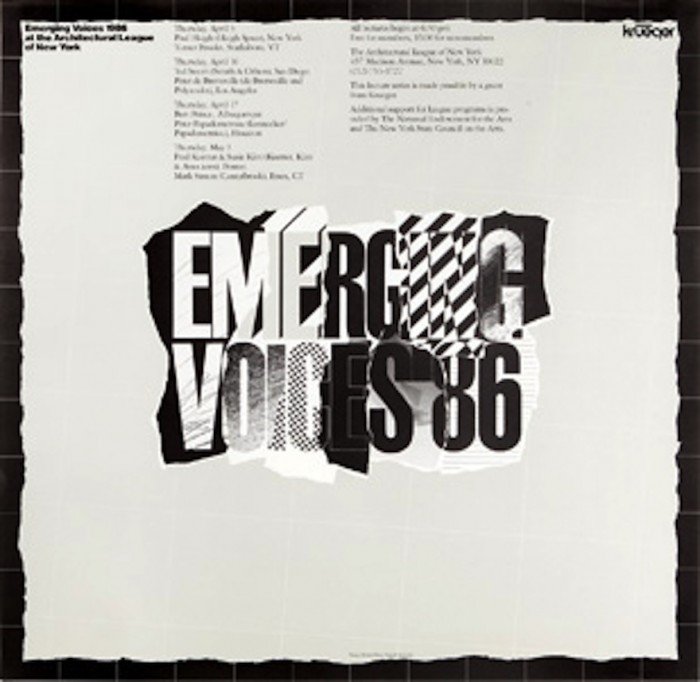
Elizabeth Goodspeed represents a new generation of designers who expand the role of graphic design beyond traditional visual creation. Working as an independent designer, art director, educator, and writer, she combines branding, editorial design, research, and visual storytelling to create concept-driven projects. Her approach shows how modern designers can build a creative practice that goes beyond execution and moves toward developing ideas, narratives, and complete visual experiences.
With a background shaped by experiences at studios such as Pentagram and RoAndCo, Goodspeed developed a multidisciplinary perspective that connects design history with contemporary visual culture. Her work often draws inspiration from archives, historical references, and cultural research, transforming them into fresh identities and design systems. This approach reflects the evolving role of the Art Director in 2026 a role where curiosity, strategy, and the ability to connect different creative disciplines are just as important as technical design skills.
Her journey demonstrates that the future of Art Direction is not only about leading a team or managing visual output; it is about becoming a thinker, storyteller, and creative problem solver who can shape the meaning behind design.
Conclusion: The Future of Art Direction in 2026
The journeys of Paula Scher, Michael Bierut, and Elizabeth Goodspeed show that becoming an Art Director is not defined by a job title alone, but by the ability to develop a vision and guide creative decisions. While each of them followed a different path, their careers share a common foundation: strong design skills, curiosity, strategic thinking, and the ability to transform ideas into meaningful visual experiences.
In 2026, the role of the Graphic Designer continues to expand. As technology and AI tools make visual production faster and more accessible, the value of creative thinking, storytelling, and leadership becomes even more important. The modern Art Director is not only responsible for how something looks, but also for why it exists, what it communicates, and how audiences experience it.
The transition from Graphic Designer to Art Director is therefore not about moving away from design; it is about taking design to a broader level from creating visuals to shaping the vision behind them. The future belongs to designers who can combine craft, strategy, and imagination to lead the next generation of creative work.