
5 AI Artists Shaping the Future of Digital Creativity
June 29, 2026 · By Soroor Raeesy
Artificial intelligence is transforming the creative industry, giving rise to a new generation of artists who blend technology, design, and storytelling in innovative ways. From large-scale brand campaigns to experimental digital art, AI artists are redefining how visual content is created and experienced. This article explores five influential AI artists whose work is pushing creative boundaries and shaping the future of design, branding, and visual communication.
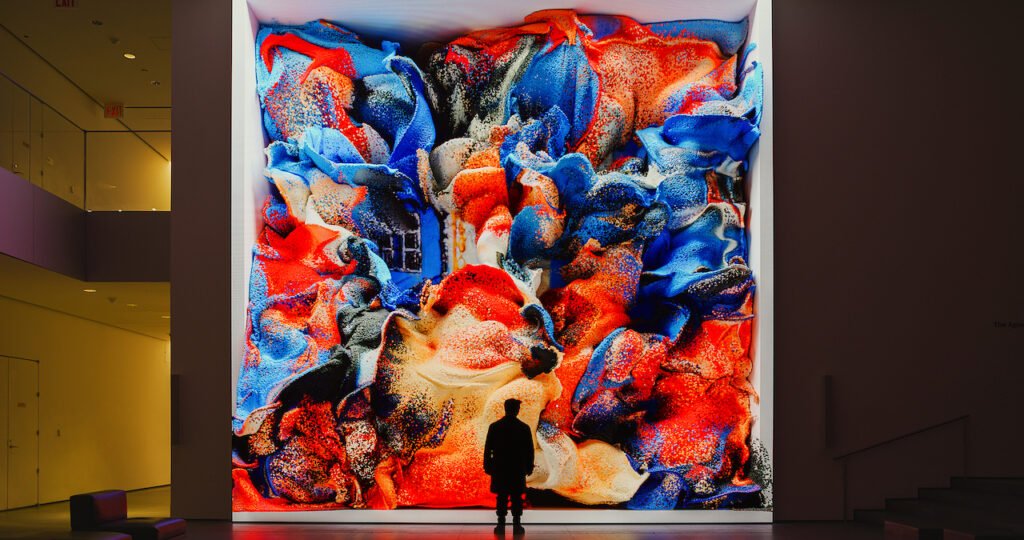
1.Refik Anadol
Refik Anadol is one of the most influential AI artists in the world, known for transforming massive datasets into immersive and emotionally charged visual
experiences. His work sits at the intersection of artificial intelligence, machine learning, architecture, and data-driven design, where he uses algorithms not just
as tools, but as creative collaborators. By feeding large-scale datasets into custom AI systems, he generates dynamic, ever-evolving visual environments that
challenge the boundaries between physical and digital space.
Through groundbreaking projects like Machine Hallucinations And Unsupervised at the Museum of Modern Art (MoMA), Anadol demonstrates how AI can
reinterpret memory, archives, and real-world data into living, fluid artworks. His practice has redefined contemporary digital art by showing that machines can
“dream” visually, producing new forms of aesthetic expression that merge technology, perception, and human imagination into a single creative language.
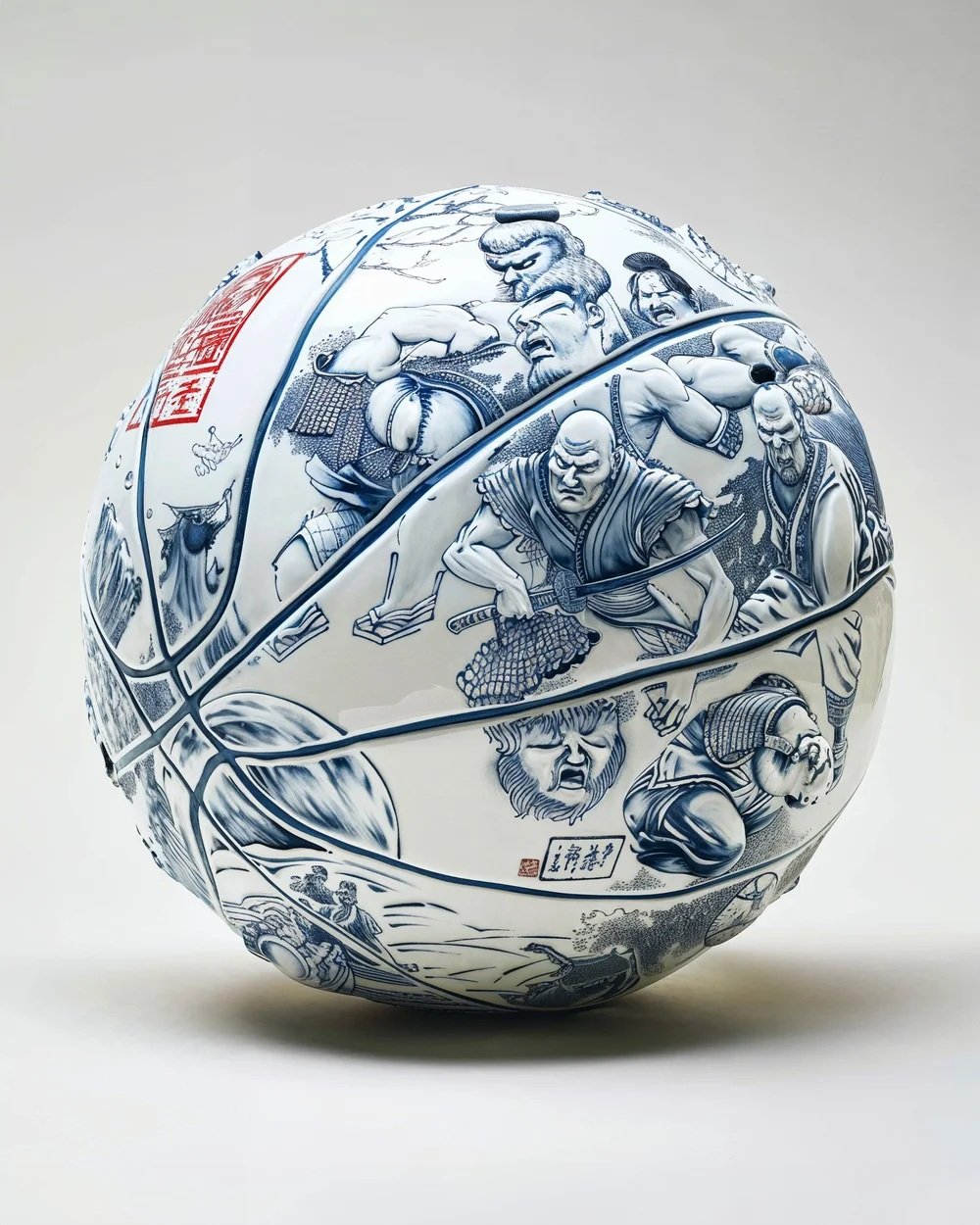
2.Benjamin Benichou
Benjamin Benichou is a French-born, New York–based creative director and visual artist working at the intersection of AI, branding, and contemporary digital culture. His work merges art direction, 3D design, motion, and generative AI systems to create cinematic visual identities, experimental campaigns, and futuristic brand worlds that feel both conceptual and commercially refined. Rather than treating AI as a simple production tool, he integrates it into the core of the creative process, using it to explore new aesthetics, accelerate ideation, and build highly controlled visual narratives.
As the founder of ©3.11LABS , Benichou has developed a practice centered around “AI-native” creative direction, where machine intelligence is embedded into every stage of visual storytelling from concept development to final execution. His approach reflects a shift in modern branding, where image-making is no longer linear but system-based, scalable, and algorithmically enhanced. Through his work, he contributes to redefining how brands, especially in fashion, luxury, and advertising, use AI to construct immersive and emotionally resonant visual experiences.
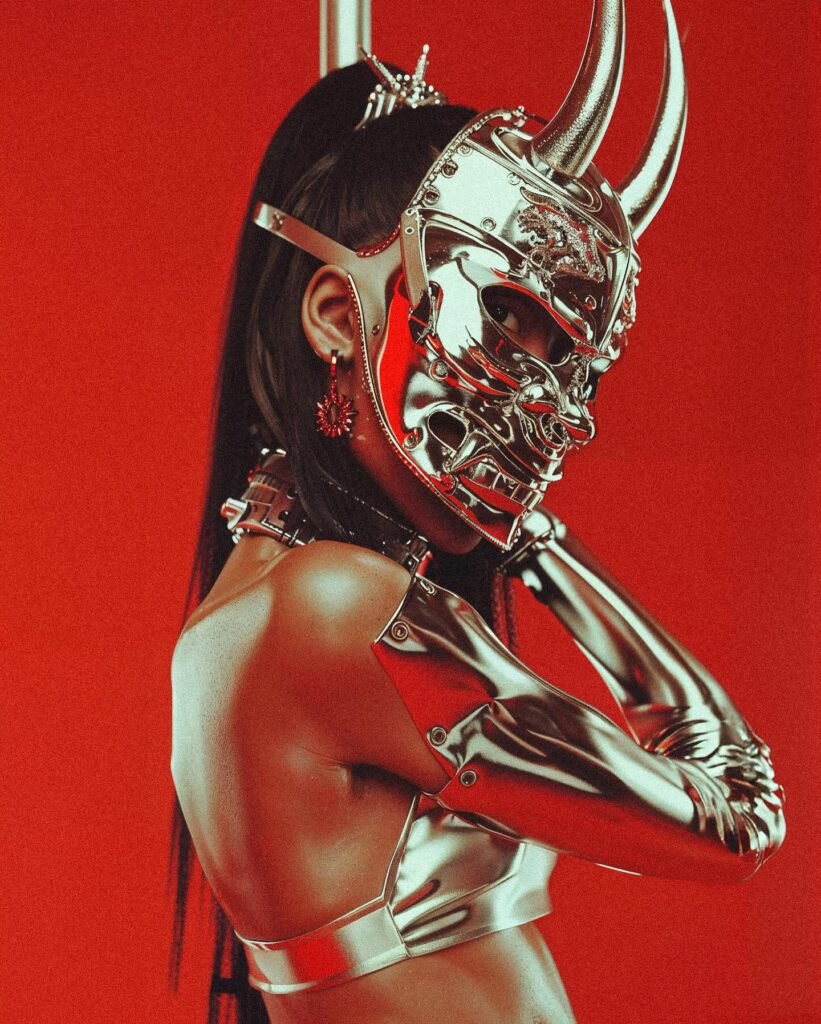
3.Kavan Cardoza
Kavan Cardoza is a contemporary AI artist and creative technologist known for exploring the boundaries between generative imagery, digital identity, and algorithmic aesthetics. His work often blends AI-generated visuals with surreal, futuristic design language, creating compositions that feel both cinematic and experimental. By using machine learning tools as part of his creative process, he develops visual systems that challenge traditional notions of authorship and artistic control, positioning AI as an active collaborator in shaping modern digital art and design culture.
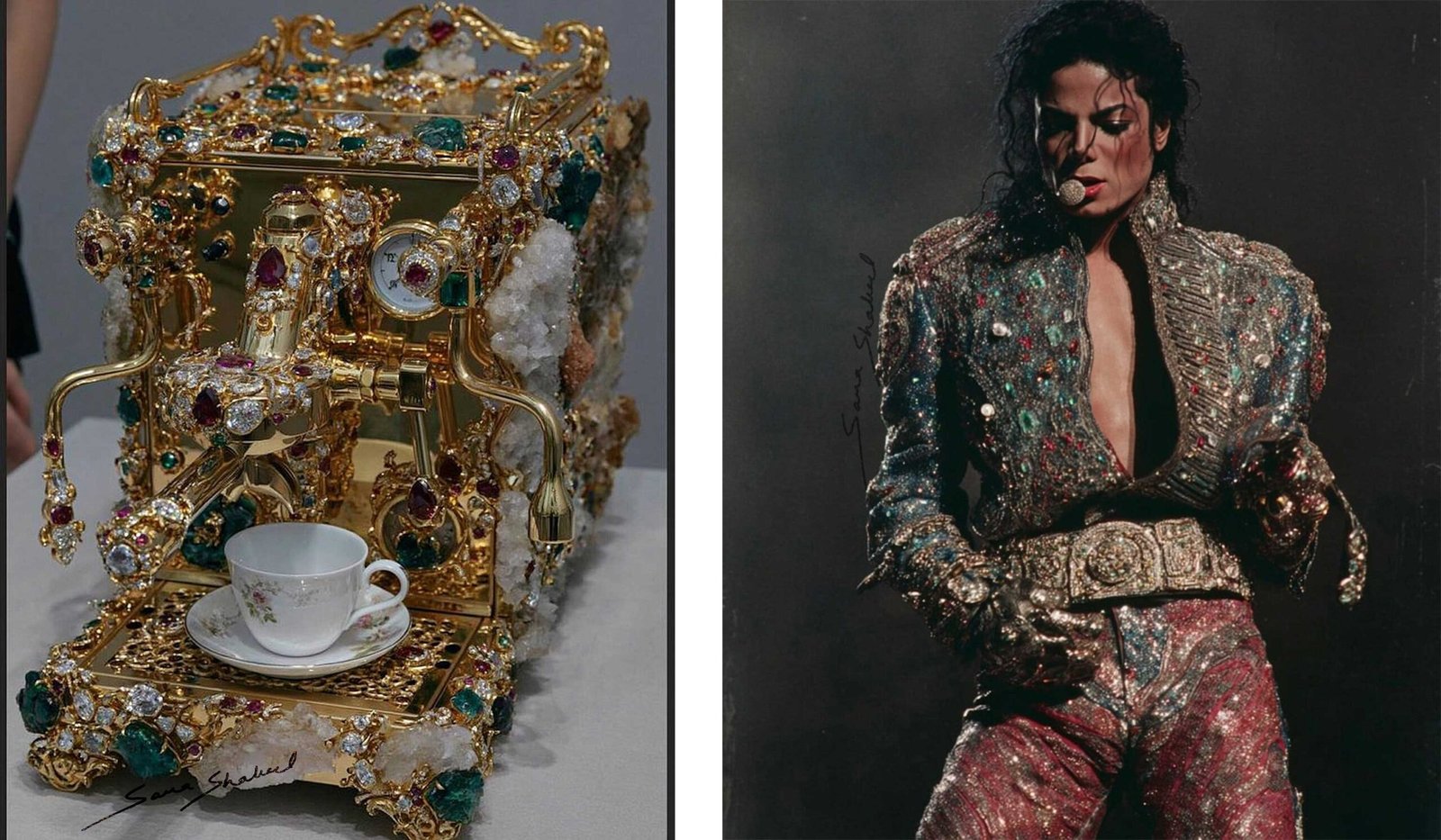
4.Sara Shakeel
Sara Shakeel is a contemporary visual artist whose work sits at the intersection of digital collage, luxury aesthetics, and emerging AI-influenced creative practices. She became widely known for her signature “crystal universe” style, where she transforms everyday photographs into surreal compositions by overlaying them with glittering, gemstone-like textures. This approach reimagines digital imagery as something elevated and almost otherworldly, blurring the line between photography, fashion, and fantasy-driven visual storytelling.
Over time, her artistic language has evolved alongside broader shifts in digital culture, particularly the rise of AI-assisted and generative visual tools. While her early work was rooted in manual digital manipulation, her current aesthetic aligns closely with AI-era sensibilities highly polished, emotionally charged, and optimized for social media virality. Her work is often associated with luxury branding, editorial design, and internet-native visual culture, making her one of the recognizable names in contemporary digital art that bridges fine art and commercial creativity.
5.Gizem Akdağ

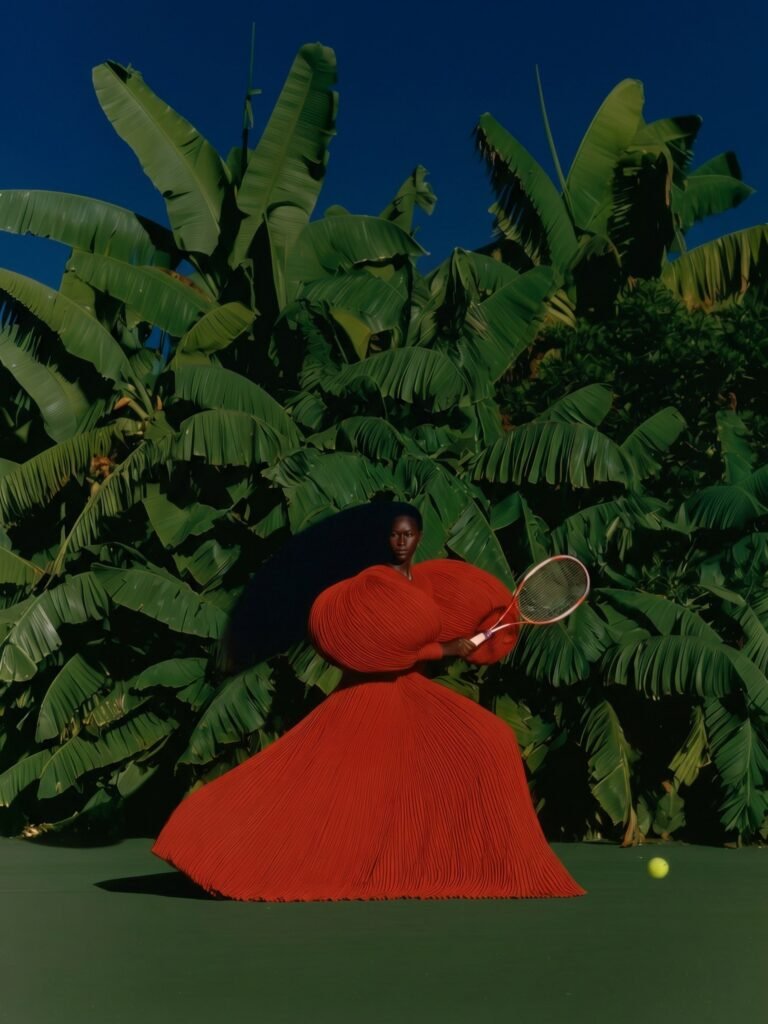
AI-Driven Visual Creativity
These five AI and digital artists represent a major shift in how contemporary visual culture is being shaped. Rather than treating artificial intelligence as just a tool, they integrate it into the core of their creative process blending design, storytelling, branding, and technology into unified visual systems. From immersive data-driven experiences to surreal editorial aesthetics and futuristic brand visuals, their work reflects how creativity is evolving in a post-digital, AI-augmented world.
Together, they highlight a broader movement where image-making is no longer limited to traditional methods, but expanded through generative systems that scale ideas, accelerate experimentation, and redefine authorship. As AI continues to evolve, these artists stand at the intersection of art direction and machine intelligence, shaping the visual language of the future across fashion, advertising, and digital media.